
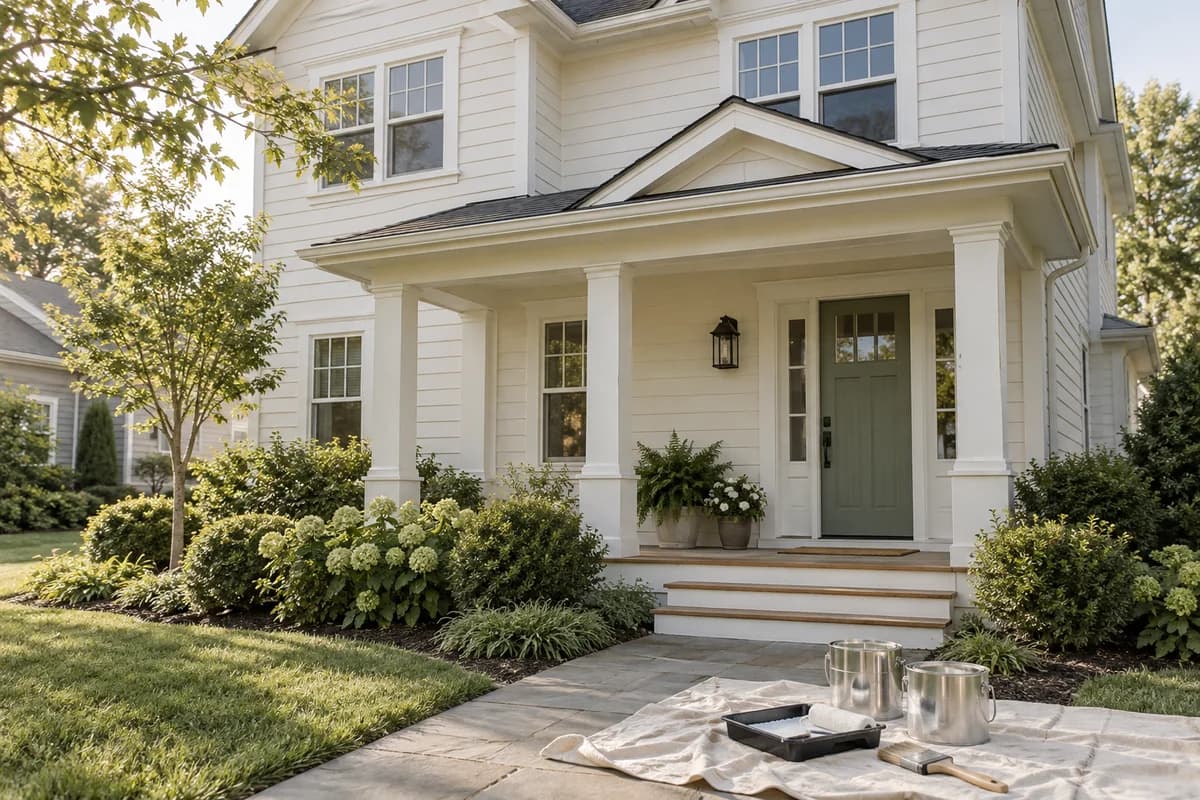
According to 2026 data from Angi, homeowners spend an average of $2,021 on interior painting projects, with typical costs ranging from just under $1,000 to over $3,000.
If you are painting the entire interior, it can cost considerably more, depending on its size and the surfaces you want to paint.
Professional interior painting generally costs between $2 and $6 per square foot. The final price depends on the number of rooms, wall conditions, and whether the project also includes ceilings, doors, and trim.
For exterior painting, homeowners spend an average of $3,177, with costs typically ranging from $1,800 to $4,500, or around $1.50 to $4 per square foot. The size of the house, number of stories, siding material, and preparation required can all affect the total cost.
In this article, we'll break down interior and exterior house painting costs, the factors that influence pricing, and practical ways to save money on your painting project.
Cost to Paint the Interior of a House
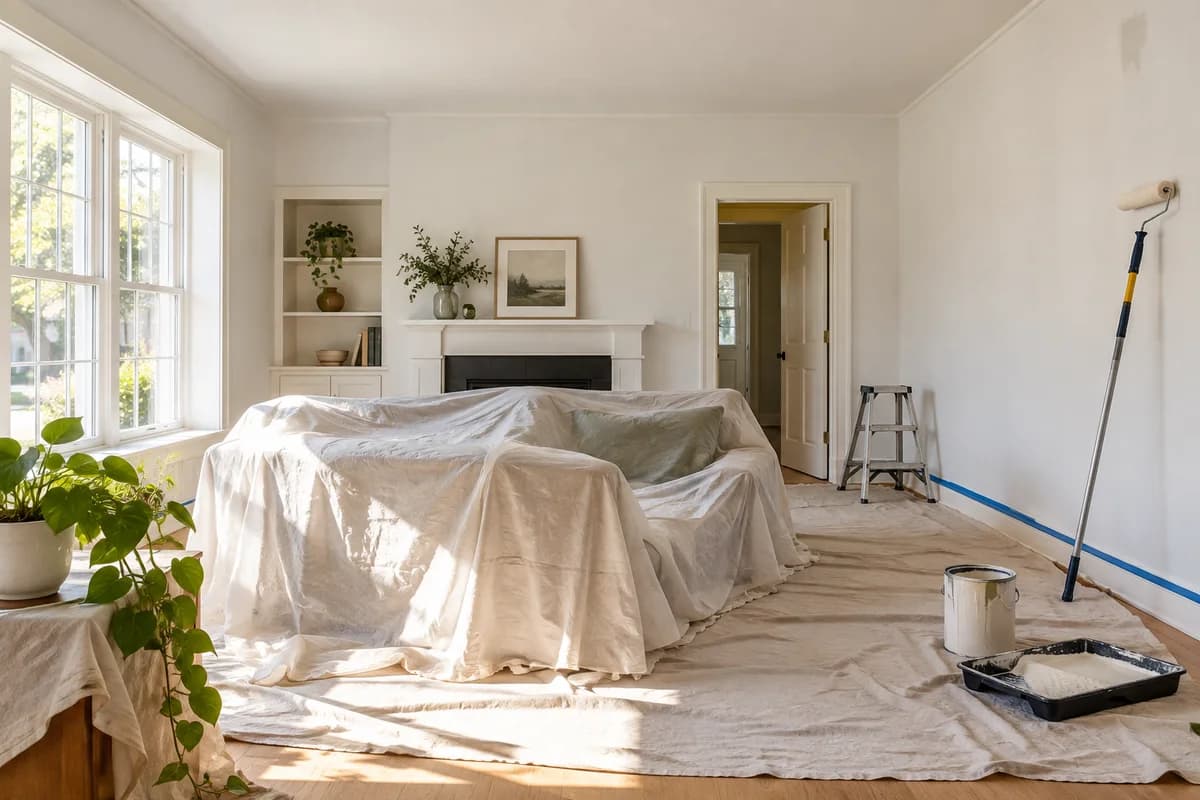
Most professional interior painters charge between $2 and $6 per square foot, according to Angi's 2026 pricing data.
For a 2,000-square-foot home, you should expect to pay approximately $4,000 to $12,000 for painting the interior.
Here's how much you can expect to pay for interior house painting based on the size of your home:
| Home Size | Interior Painting Cost |
|---|---|
| 1,000 sq. ft. | $2,000–$6,000 |
| 1,500 sq. ft. | $3,000–$9,000 |
| 2,000 sq. ft. | $4,000–$12,000 |
| 2,500 sq. ft. | $5,000–$15,000 |
| 3,000 sq. ft. | $6,000–$18,000 |
These estimates are calculated using Angi's $2–$6 per square foot range, based on the home's floor area. Actual quotes depend on the scope of work and local labor costs.
If you are painting only the walls, it generally costs less than a complete interior repaint that also includes ceilings, baseboards, doors, and trim. The price can also increase if your walls need repairs, extensive preparation, or additional coats of paint.
If you're painting individual rooms rather than the entire house, HomeGuide estimates that professional painting costs around $300 to $1,000 per room for walls only, or $600 to $2,000 when ceilings and trim are included.
You can reduce labor expenses by painting the interior yourself. HomeGuide estimates that DIY room painting typically costs $100 to $300 for paint and supplies, although larger rooms and whole-house projects will require more materials and time.
Cost to Paint the Exterior of a House
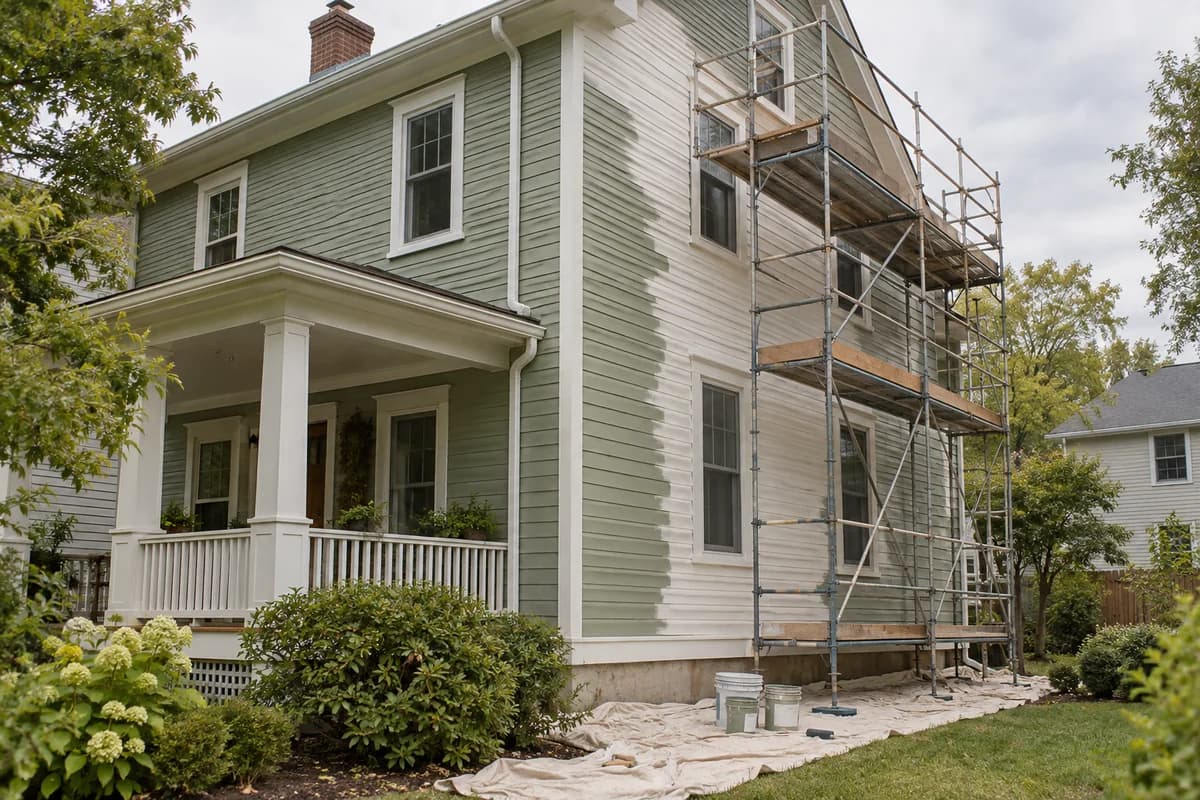
Professional exterior house painting typically costs between $1.50 and $4 per square foot of paintable surface, according to Angi's 2026 pricing data.
For a house with 2,000 square feet of exterior surface to paint, expect to pay approximately $3,000 to $8,000, including labor and materials.
Here's how much exterior house painting can cost based on the area that needs painting:
| Paintable Exterior Area | Estimated Painting Cost |
|---|---|
| 1,000 sq. ft. | $1,500–$4,000 |
| 1,500 sq. ft. | $2,250–$6,000 |
| 2,000 sq. ft. | $3,000–$8,000 |
| 2,500 sq. ft. | $3,750–$10,000 |
| 3,000 sq. ft. | $4,500–$12,000 |
These estimates are based on Angi's $1.50–$4 per square foot range. Exterior paintable area is different from a home's floor area and depends on the height, layout, and dimensions of the exterior walls.
A two-story or three-story home generally costs more to paint because painters need additional equipment and time to reach upper walls, trim, and other exterior surfaces.
Similarly, if you have wood siding, it may require scraping, sanding, or repairs before painting, while stucco and brick can require more paint or specialized preparation because of their texture and porosity.
If your home also has peeling paint, damaged siding, or requires extensive trim work, it can also cost considerably more.
You can save on labor by painting the exterior yourself, but you'll still need to pay for paint, primer, prep materials, and any required ladders or equipment. For larger or multi-story homes, we generally recommend hiring professional painters.
Factors That Affect House Painting Costs
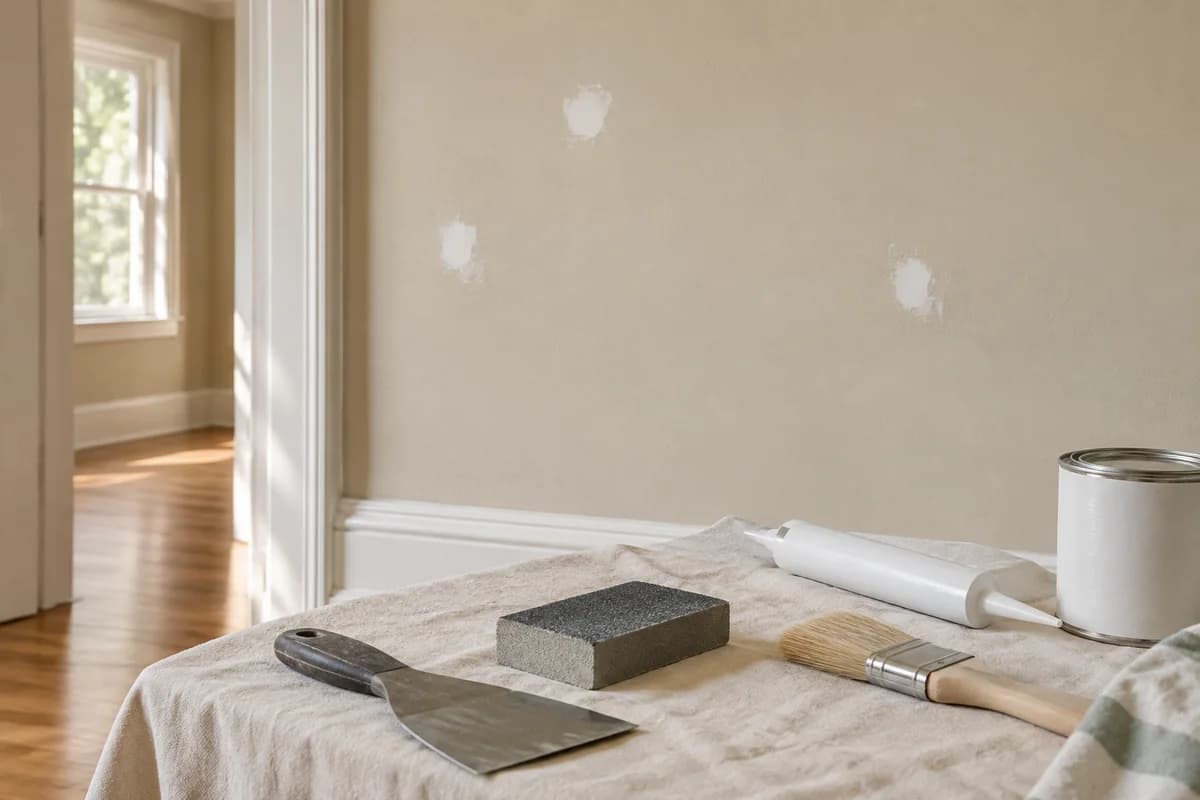
Here are the main factors that affect how much you'll pay to paint your house.
1. Size and Layout of Your House
Larger homes generally cost more to paint because they have more wall or siding area and require additional paint and labor.
However, a house with high ceilings, multiple small rooms, stairwells, or detailed architectural features may cost more to paint than a simpler home with the same floor area.
For exterior projects, two- and three-story houses can cost more because painters need ladders, scaffolding, or other equipment to reach higher surfaces.
2. Surface Condition and Preparation
If your home has peeling paint, cracks, holes, water damage, or damaged wood, painters may need to spend additional time scraping, sanding, patching, caulking, or priming the surfaces.
Exterior painting may also involve pressure washing and removing loose paint before applying new coats.
These preparation tasks increase labor costs, particularly on older homes with significant surface damage.
3. Type and Quality of Paint
Paint prices vary by manufacturer, product line, and whether you're painting interior or exterior surfaces.
Premium paints generally cost more per gallon, but some offer better coverage, durability, washability, or resistance to fading and weathering.
The type of surface also determines which paint you need, which influences the cost of the project. For example, exterior wood siding, masonry, and metal may require different coatings or primers.
Compare coverage and the recommended number of coats alongside the price per gallon rather than choosing paint based on price alone.
4. Labor Costs and Location
Professional painters charge different rates depending on where you live, local labor costs, and the project's complexity.
Homeowners in cities with higher living costs may receive more expensive quotes than those in smaller towns or rural areas.
Labor costs also increase when the job requires extensive masking, detailed brushwork, difficult access, or additional safety equipment.
When comparing quotes, check whether the total price includes surface preparation, paint, supplies, and cleanup.
5. Number of Coats and Color Changes
Most house painting projects require more than one coat for an even, consistent finish, though the exact number depends on the product and surface.
A major color change, such as painting dark walls white, may require a suitable primer or additional coats to cover the existing color.
Similarly, damaged or porous surfaces may absorb more paint or require special preparation.
Additional coats increase both material and labor costs, so confirm how many coats your contractor has included in the estimate.
6. Additional Surfaces and Repairs
A painting estimate may cover only the main interior walls or exterior siding, with additional charges for other surfaces.
For interior projects, painting ceilings, baseboards, doors, window frames, cabinets, and trim can increase the total price.
Exterior painting may also include shutters, fascia, soffits, garage doors, porches, and decorative trim.
If you need drywall repairs, wood replacement, or other repairs before painting, those services may be priced separately.
Ask your contractor for a detailed estimate showing which surfaces and repairs are included so you can compare quotes accurately.
How to Save Money on House Painting
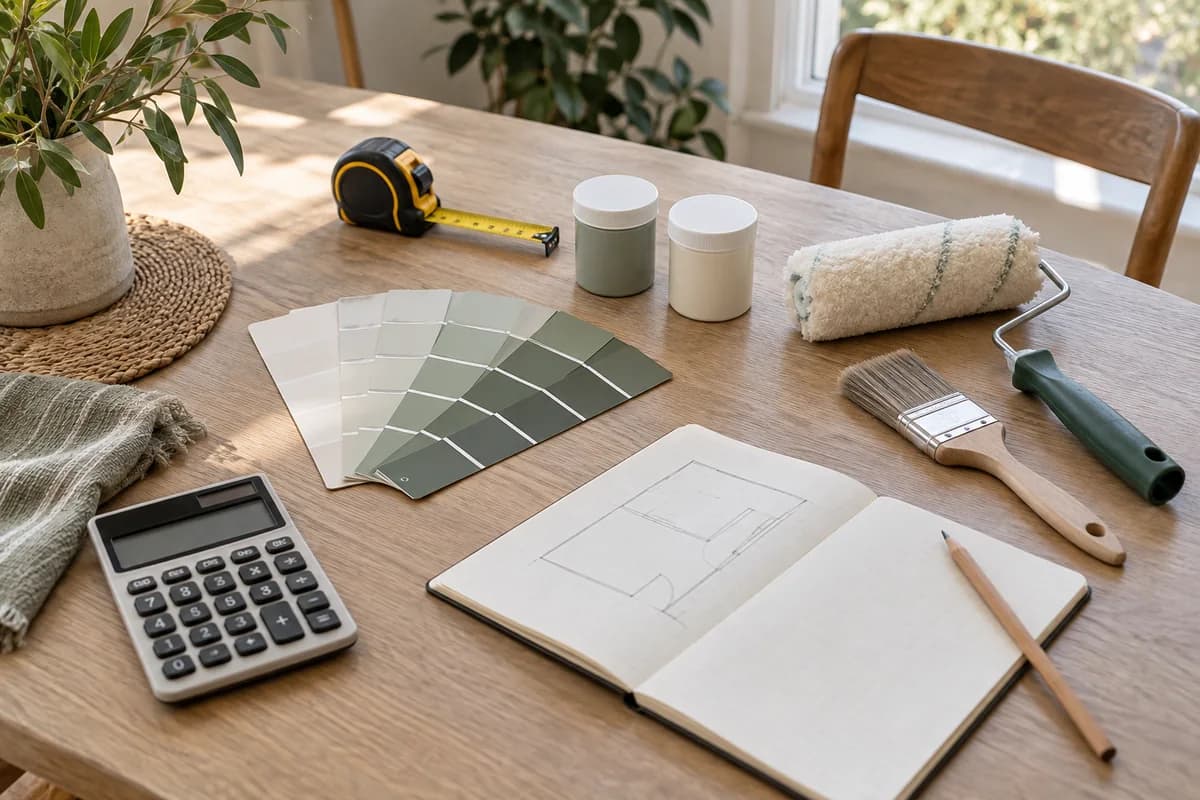
Painting a house can be expensive, especially if you're repainting the entire interior or exterior.
Here are a few ways to reduce your painting costs without compromising the quality of the finished work:
1. Decide on Your Paint Colors Before Starting
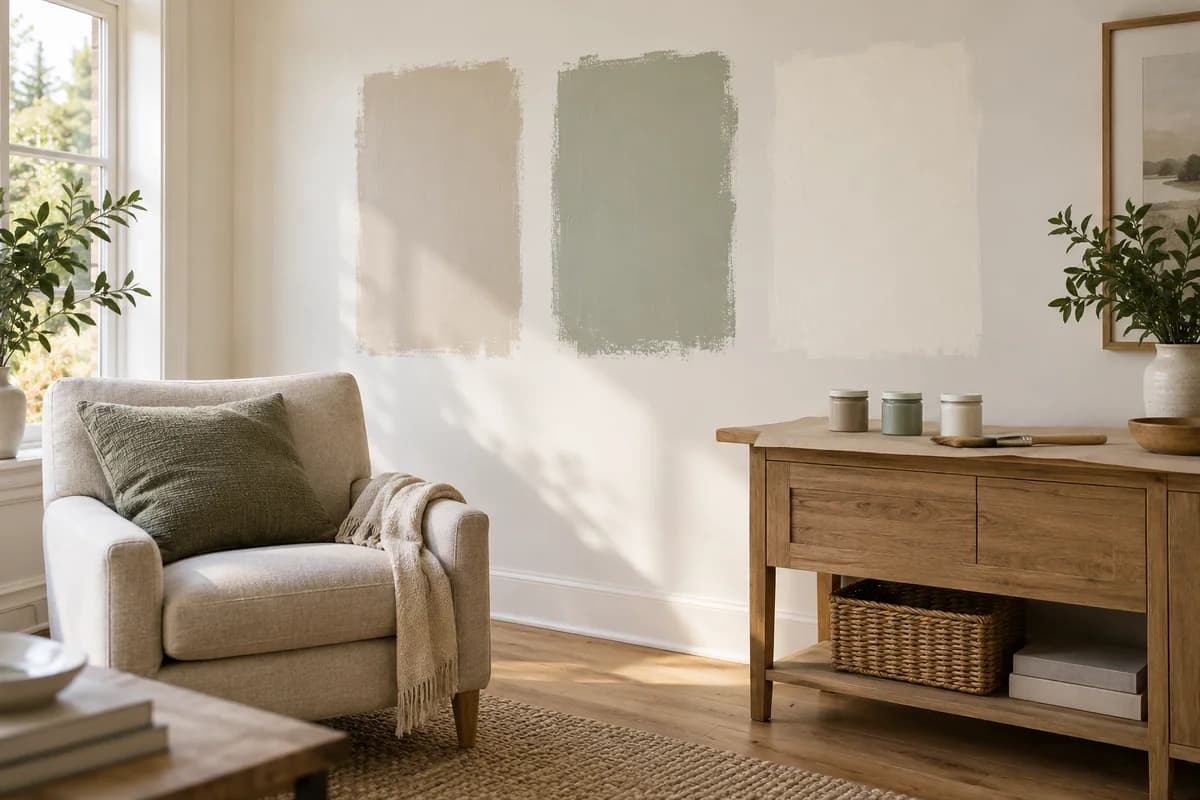
We've often seen homeowners reconsider their paint colors after seeing them applied to an entire wall. If painters have already started the project, changing colors can mean paying for additional paint and labor.
Before choosing your colors, consider how they'll look with your existing floors, furniture, trim, roofing, and other features you plan to keep.
You can use Paint Visualizer AI to upload a photo of your home and preview different interior or exterior paint colors before purchasing paint.
Once you've narrowed down your options, test physical paint samples in the actual space to confirm your final choice before the painters begin.
2. Get Multiple Quotes From Painting Contractors
Before hiring a painter, get estimates from at least three contractors in your area.
Check which surfaces are included, how much preparation they'll do, what paint products they'll use, and how many coats they'll apply.
Ask for an itemized estimate so you can compare the same scope of work.
3. Paint Only the Areas That Need It
You don't always need to repaint your entire house to give it a fresh look.
For interior projects, you can focus on rooms with faded, stained, or damaged walls rather than repainting every room at once.
Similarly, if your exterior paint is still in good condition, you may be able to refresh the front door, shutters, or trim without repainting all the siding.
However, if large areas of paint are peeling or deteriorating, spot painting may not provide a lasting or consistent finish.
4. Handle Simple Preparation Tasks Yourself
Professional painters often spend time moving furniture, clearing work areas, protecting surfaces, and preparing rooms before they start painting.
You can reduce some of this work by moving smaller furniture, removing wall decorations, clearing outdoor items, and making painted surfaces accessible before the crew arrives.
Ask your contractor which tasks you can handle yourself and whether doing so will reduce the quoted price.
Leave scraping, sanding, repairs, and other specialized surface preparation to professionals when appropriate, particularly in older homes where lead-based paint may be present.
5. Estimate How Much Paint You'll Need
You can avoid purchasing unnecessary paint by calculating how much you'll need before starting your project.
Measure the surfaces you plan to cover and account for the paint's coverage rate, the number of coats, and any primer required.
You can use our paint calculator to estimate how many gallons of paint and primer your project may require.
If you're hiring a professional painter, ask whether the quoted price already includes paint and supplies before purchasing materials yourself.
6. Choose Paint Based on Quality and Coverage
Some higher-quality paints offer better coverage, durability, washability, or resistance to fading and weathering.
However, their performance also depends on the specific product, surface preparation, and application.
Compare paint products based on their coverage, recommended number of coats, and suitability for the surface rather than choosing the cheapest gallon available.
Plan Your House Painting Project with Paint Visualizer AI
The cost of painting your house depends on its size, the condition of the surfaces, the paint you choose, and the amount of labor required.
You can use Paint Visualizer AI to preview different paint colors on your interior walls or exterior surfaces before picking up the brush.
Simply upload a photo of your home, explore colors from popular paint brands, and compare different options before making your final choice.
Once you've found a combination you like, confirm it with physical paint samples before purchasing your paint.